Transforming
Manufacturing
Striving for Global Niche Leadership
Our Mission
Our company has long maintained stable operations, serving some of the most reputable companies in
Japan’s automotive industry.
However, today’s tooling industry is facing intense price competition.
To secure our future, it is essential for us to take on the challenge of expanding our presence in
the global market and emerging as a winner.
Achieving this will require a complete transformation of our processes – from design to
manufacturing.
Developing unique technologies found nowhere else and establishing new business models will be our
mission going forward.
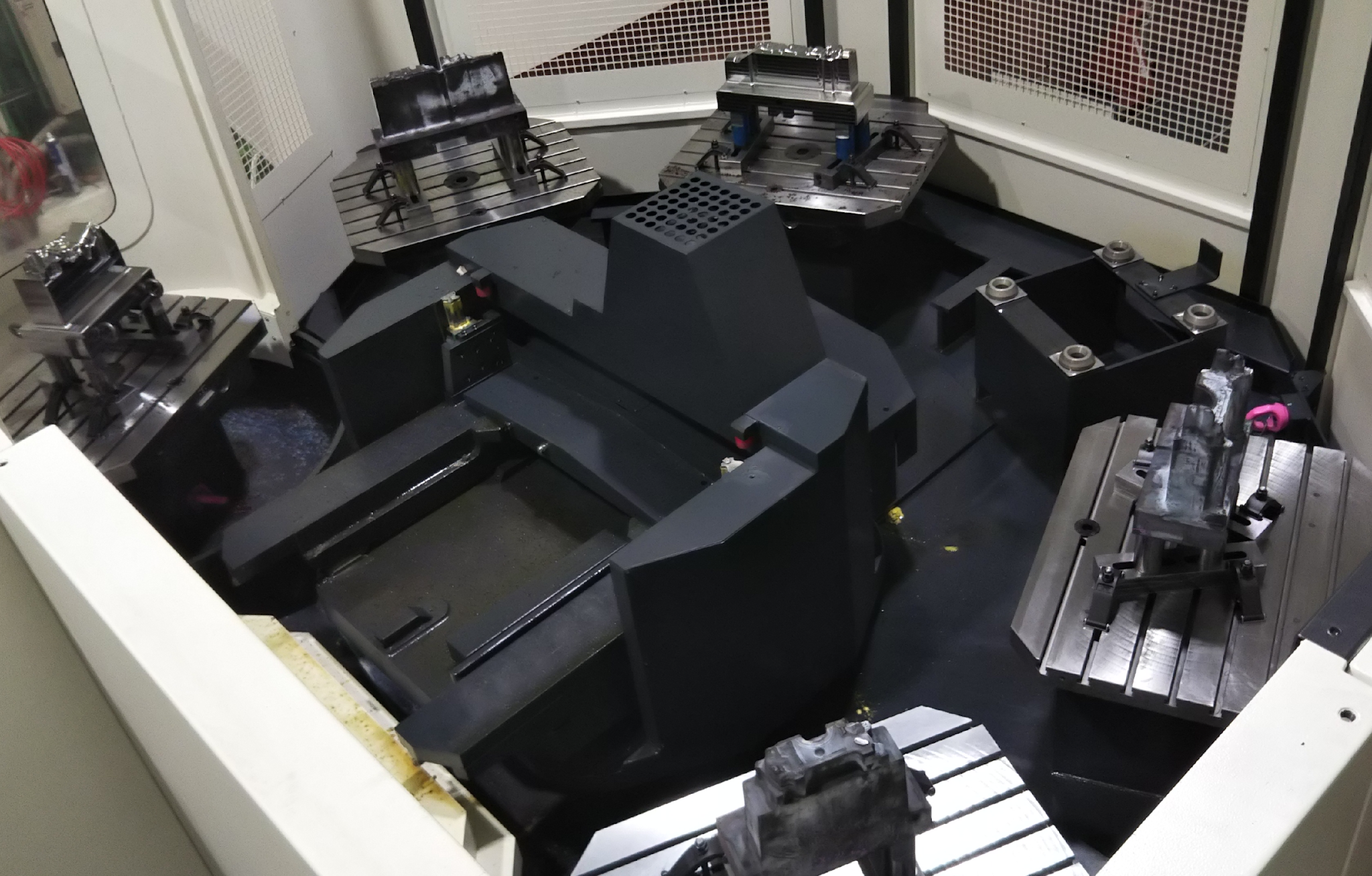
Innovation & Challenge
Transforming the Future of Manufacturing and the Environment with Cutting-Edge Technology
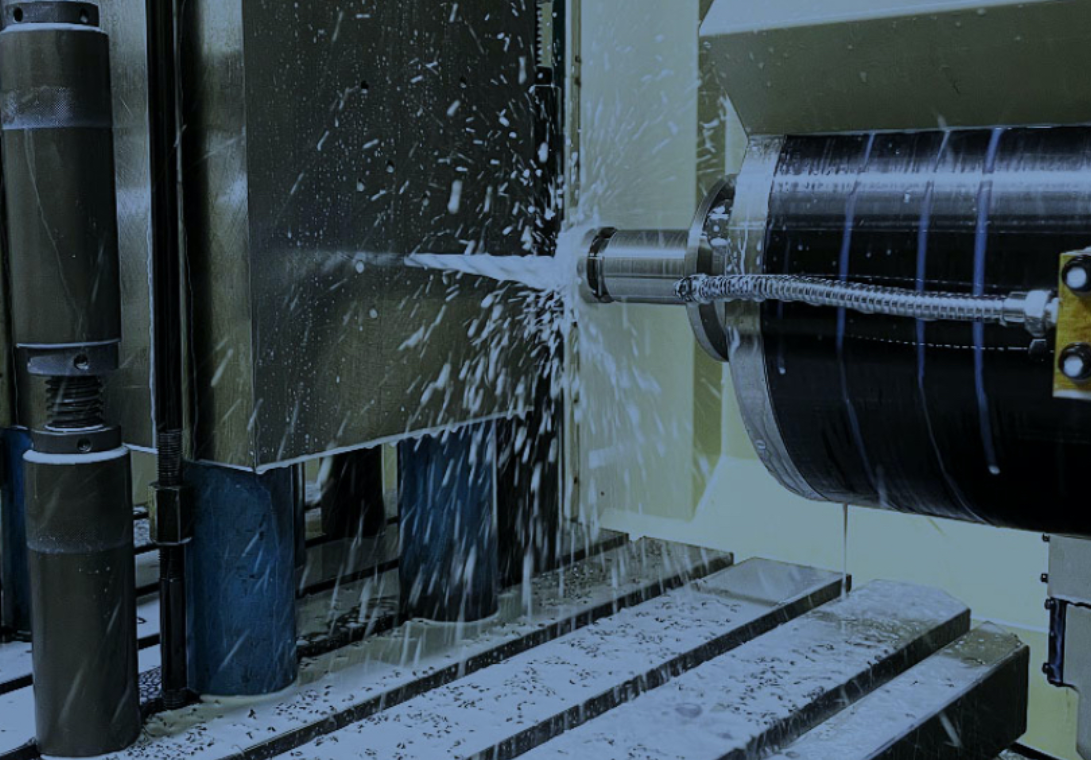
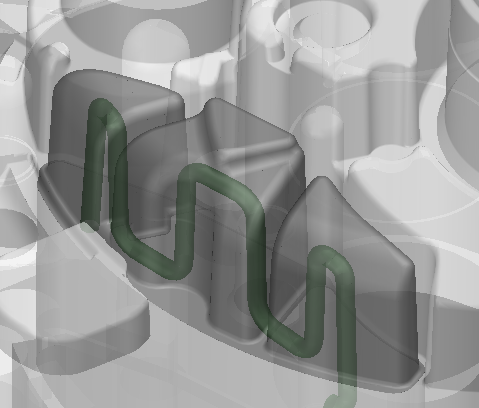
In addition to conventional die-casting mould manufacturing, we are pioneering innovation
through our proprietary technology by developing porous moulds using metal additive
manufacturing (AM) with 3D printers.
By utilizing the microscopic pores on the mould surface — a key feature of porous moulds —
we can add new functionalities, creating entirely new types of moulds.
This opens up infinite possibilities for manufacturing and enables the creation of a
wide variety of products.
Porous mould technology is expected to play a significant role not only in the automotive
industry, but also in fields such as aerospace and healthcare.
Our new technology enables products and functions that were difficult to achieve with
conventional moulds.
It also allows us to offer new value propositions to our customers, such as:
Reducing the use of release agents, improving workplace environments
Shortening casting cycles, leading to significant cost reductions
Furthermore, die-cast products
manufactured using our moulds help our customers reduce the number of components, achieve
weight reduction, and promote recyclability.
This contributes to better fuel efficiency and improved parts reuse — addressing global
environmental challenges.
Our research and development efforts are indispensable in tackling some of the most pressing global issues, including environmental and energy challenges and aging societies.
Business
Diversification
Launching New Ventures and Expanding Our Business Horizons
In today’s competitive market, manufacturing moulds alone is no longer enough to stay ahead. To differentiate ourselves and strengthen our brand, we must leverage our deep manufacturing expertise and the capabilities of our moulds to create innovative products—driving true business diversification.
In our core mould business, we will continue developing a broad range of products for the global market, proactively introducing solutions tailored to the unique needs of each region. By embracing cutting-edge technologies, we aim to deliver high-value products that showcase our distinctive strengths. Looking ahead, we also plan to evolve our factory into a Smart Lab to enhance product promotion, sales activities, and productivity.
As automation with robotics, IoT, and AI becomes increasingly costly, we will accelerate our environmental improvements by transforming our factory into a showroom—a product in itself. We will also commercialize the internal innovations we create to support production, launching them as S-LABO products. These solutions will be offered not only in Japan but also worldwide, establishing a new pillar of our business.
We are committed to elevating the status of our entire industry and contributing to a more convenient and efficient world. As professionals in the mould industry, our mission is to deliver the best solutions possible.
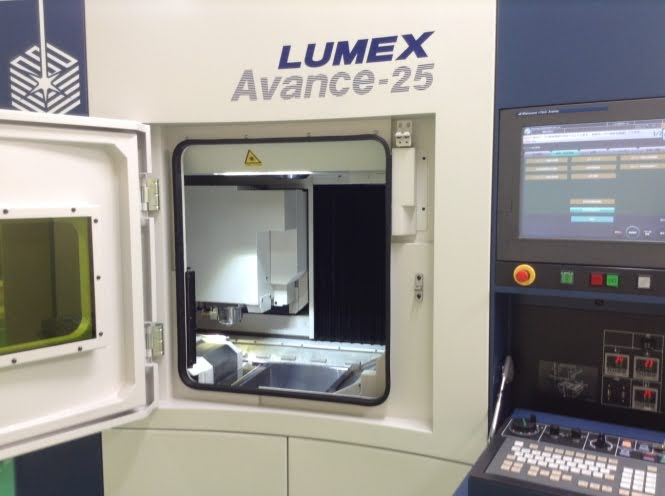
Our Services
We go beyond simple manufacturing — we design and deliver solutions with passion and
precision.
Our mission is to create moulds and metal components that not only meet technical requirements
but also inspire innovation for our customers’ products.
By integrating advanced manufacturing techniques with our proprietary technologies, we
continuously push the boundaries of what is possible.
We focus on quality, speed, and sustainability, ensuring that every product we deliver helps our
clients improve performance, reduce costs, and contribute to a better future.
We provide comprehensive solutions that combine advanced manufacturing and proprietary technology:
01
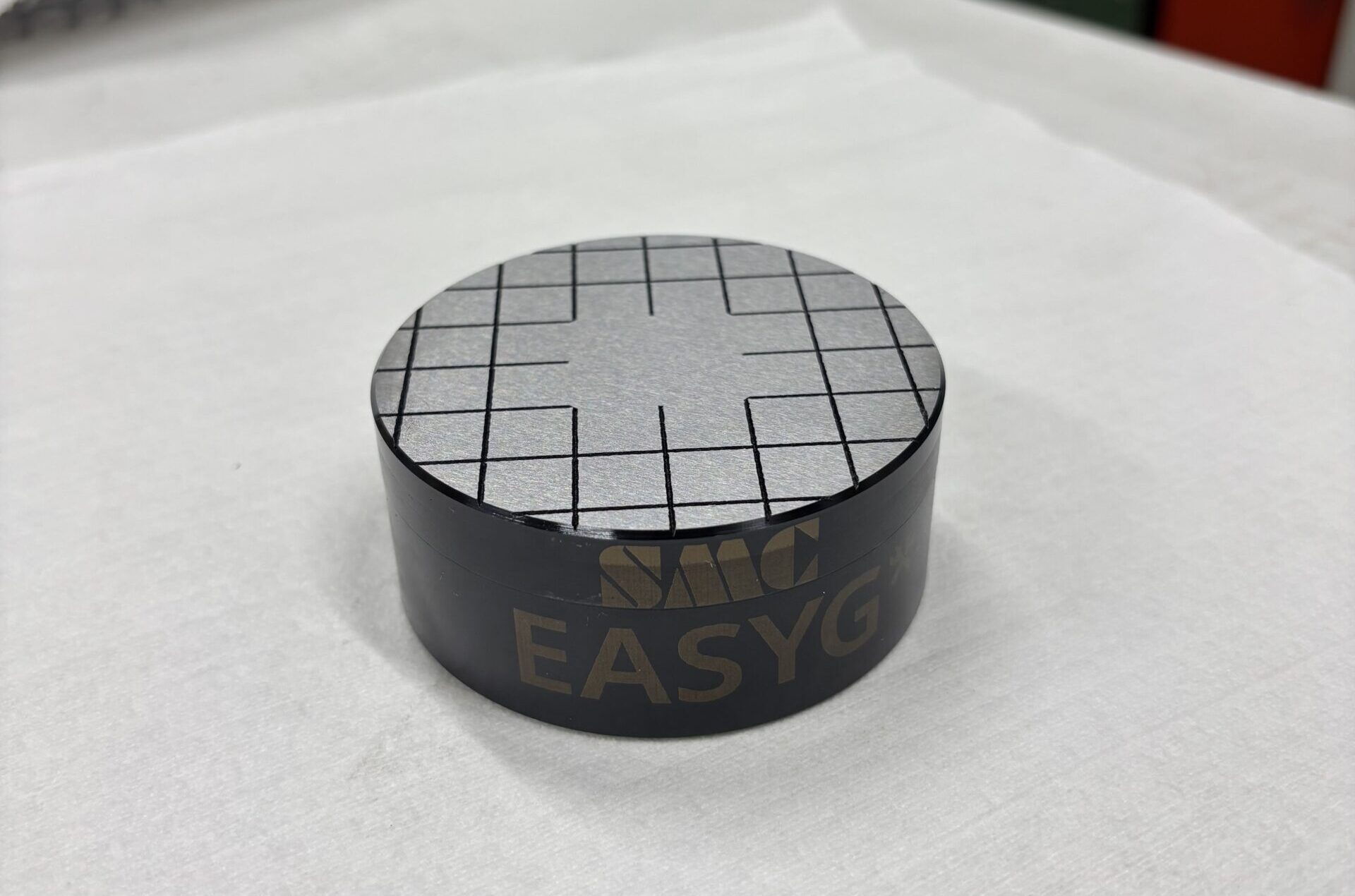
Precision Jack “EASYG”
02
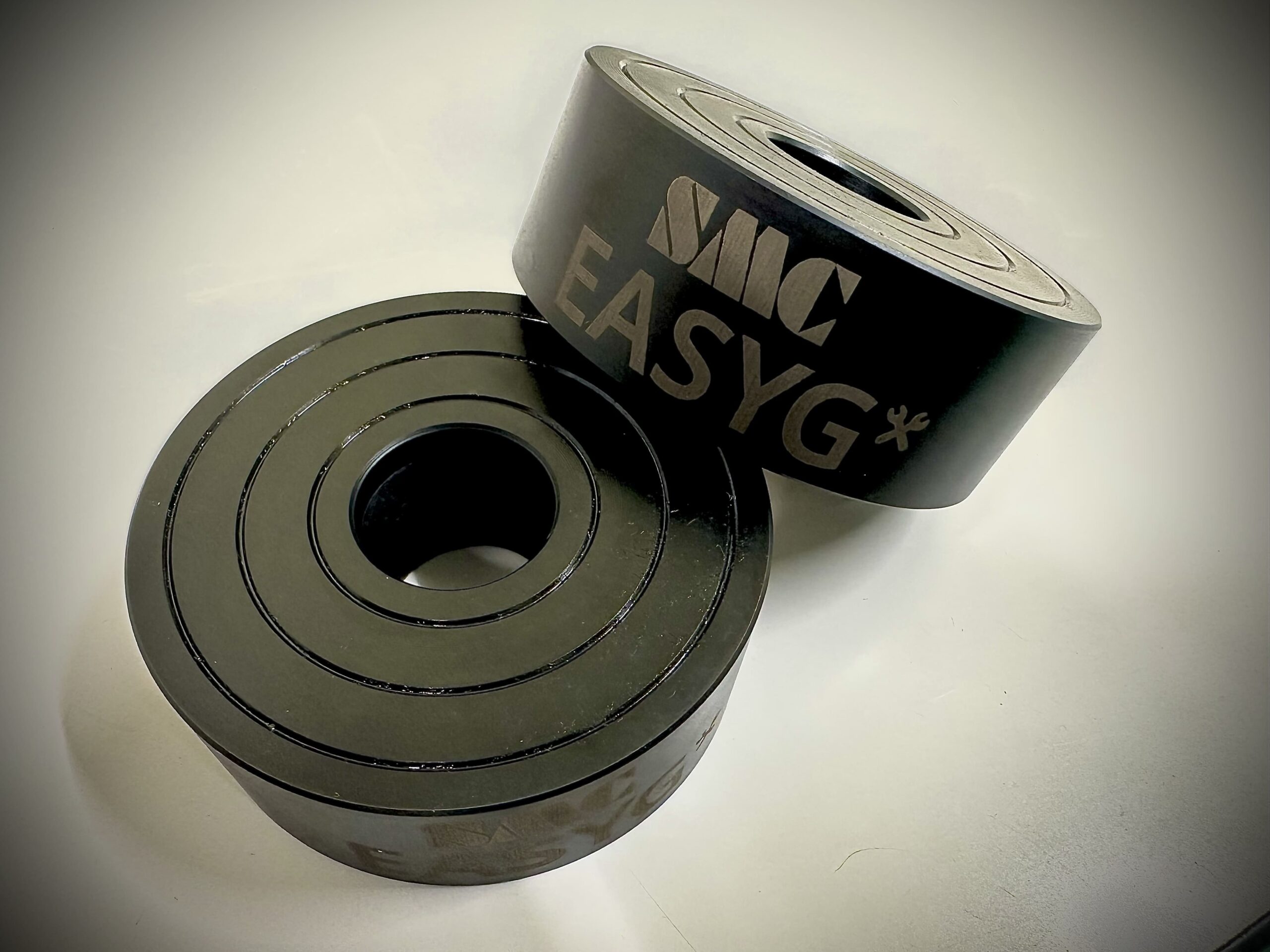
EASYG (New Ring-Type Model)
03
Grill Q

About Us
At our company, we’ve led the way in die-casting mould manufacturing by consistently embracing new
ideas and technologies.
We remain committed to pushing the boundaries of what’s possible in manufacturing and further
strengthening our impact on the industry.
News
-

Ultimate Guide to Versatile Grill Cookware: Key Benefits for Camping, Outdoor BBQs, and Cooking with Friends
What Is a Multi-Purpose Grill Device?
Combining the Functions of a Frying Pan, Oven, and Grill Into One Unit
A multi-purpose grill device is cookware that enables several different cooking styles—such as grilling, steaming, boiling, stir-frying, baking, and grate grilling—using one unit, depending on the model design. These devices are valued for cooking efficiency and heat retention, making it possible to prepare a wide variety of meals without switching between multiple cookware items. Many people use them to enjoy grilling or steaming outdoors, as the structure of these devices supports outdoor flame use and helps cook ingredients thoroughly.
Usable Both at Home and Outdoors
A notable characteristic of multi-purpose grill devices is their adaptability to different environments, including home kitchens, camping areas, outdoor barbecues, and casual gatherings. Many models can operate on various heat sources such as gas stoves, burners, and outdoor flames. Depending on product design, some devices can be used both indoors and outdoors, offering flexible cooking options for a range of situations.
Compatible With a Wide Range of Heat Sources
Many multi-purpose grill devices are designed to work on a variety of heat sources such as gas stoves, portable burners, charcoal, and wood fires. Heat distribution varies by material and structure, and users can select a model that matches their preferred heat source. This versatility supports cooking in different locations and contributes to a broad range of meal preparation possibilities.
Benefits of a Multi-Purpose Grill Device
Cost Efficiency (Fewer Separate Cookware Purchases Needed)
Because one unit can fulfill several roles, users may reduce the number of cookware items they need to purchase separately. This can help simplify the cookware lineup and reduce redundant spending. Some people choose multi-purpose grill devices as their main cookware item to start cooking efficiently while managing overall investment.
Requires Less Storage Space
A multi-purpose unit can reduce the total number of cookware pieces stored at home. This feature is beneficial for users with limited kitchen space and for people who prefer to minimize the amount of outdoor equipment they carry. Having fewer items to store may help keep kitchens and outdoor gear collections more organized.
Expands Cooking Variety
By using a device capable of handling multiple cooking styles, people can try foods that may be challenging with a standard pan—depending on the model structure and heat retention performance. This can add creativity to everyday meals and support a wider range of cooking experiences both indoors and outdoors.
Key Points When Choosing a Multi-Purpose Grill Device
Differences in Material (Cast Iron, Stainless Steel, Aluminum)
Each material type offers different characteristics:
- Cast iron can retain heat well and may help sear ingredients effectively.
- Stainless steel provides durability and is resistant to corrosion and rust.
- Aluminum is lightweight and easy to carry, which is useful outdoors.
Selecting a material based on preferred cooking style, handling needs, and usage environment can improve overall satisfaction.
Size, Weight, and Portability
Choosing an appropriate size depends on usage style. Larger cookware can be suitable for group outdoor cooking, while mid-sized options tend to work well for home use. If portability is important, lighter designs may be more convenient. Considering how the device will be transported and stored helps ensure comfortable use.
Ease of Maintenance
Maintenance requirements vary by coating and material. Checking whether parts are removable, whether a non-stick surface is used, and how resistant the material is to rust can help determine long-term usability. Selecting cookware that aligns with desired care routines can make daily use more comfortable.
Introducing the Multi-Purpose Grill “Grill Q” – Features & Uses
Features
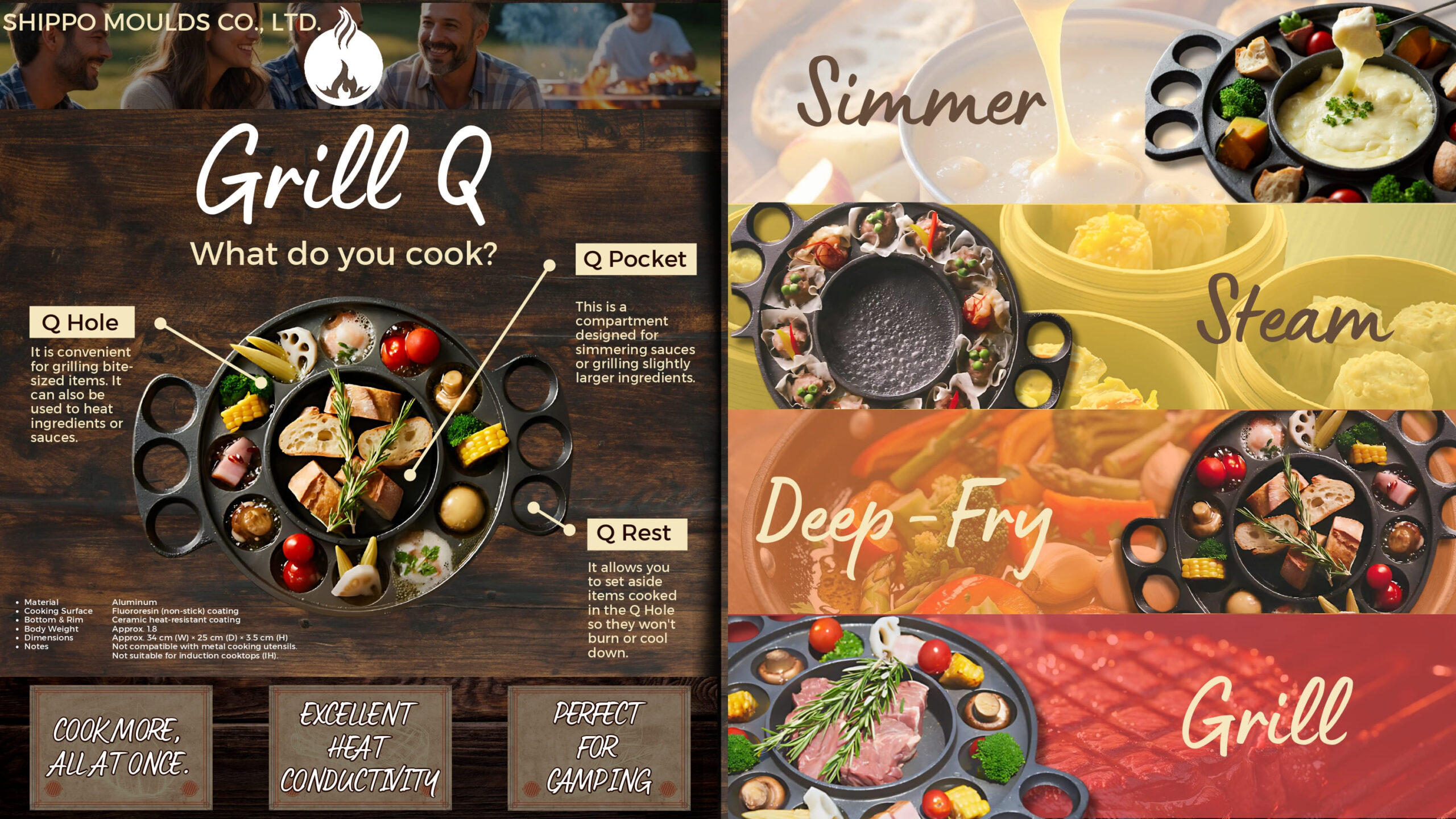
Grill Q is a multi-purpose grill device designed to support grilling, steaming, boiling, stir-frying, and other cooking styles within a single structure. It is manufactured using heat-conductive materials and is intended for use on various heat sources such as household gas stoves, burners, and outdoor charcoal setups, according to user environments and conditions.
Advantages
Grill Q is structured to help maintain moisture and flavor during the cooking process. Users have noted that ingredients prepared with this device can turn out crisp on the surface while remaining tender inside, depending on cooking method and heat control. Additionally, its design supports both indoor and outdoor cooking scenarios, and its portability may make it suitable for outdoor use.
Usage Scenarios
Grill Q can be used at home to prepare steak, dumplings, baked dishes, stir-fry meals, and more—depending on user preference. Outdoors, it can support barbecue-style meals, hot sandwiches, and other campfire-friendly foods, offering flexibility to experiment with different meal styles in various environments.
Summary
Multi-purpose grill cookware offers flexibility for people who want to enjoy both indoor and outdoor cooking using one main device. Since multiple cooking styles are supported in a single format, these devices can help organize cookware needs and encourage users to expand their meal options.
Grill Q is one example of a multi-purpose grill device that aims to support various cooking methods in different environments. For those considering versatile cookware, reviewing product specifications and matching them with personal cooking styles may help in selecting a suitable option.
02/28/2026
未分類 -
Effortlessly Level Heavy Metal Workpieces! How to Choose and Utilize Precision Machining Jigs to Boost Production Efficiency
Machining Jigs and Leveling: How They Improve Accuracy, Productivity, and Shop Efficiency
Machining jigs are essential tools for improving precision, stabilizing work conditions, and enhancing production efficiency—especially when handling heavy metal components. By supporting accurate leveling and secure positioning, jigs help manufacturers reduce variation, stabilize results, and achieve more consistent machining outcomes. Their role goes far beyond simple work‐holding: well-designed jigs influence machining quality, shop safety, and operational workflow.
How Jigs Improve Machining Accuracy and Quality
When heavy workpieces are clamped firmly, vibration and displacement are significantly reduced. This contributes to better surface finish, fewer dimensional deviations, and more stable quality throughout long production cycles. Consistent positioning also minimizes scrap and lowers the need for rework or extra finishing. For companies running multiple machining stages, jigs help maintain alignment from process to process, supporting overall dimensional control.
In addition, jigs help standardize machining settings. Conditions no longer rely solely on operator skill or experience, which improves repeatability and simplifies inspection planning. Over time, production environments achieve a more consistent quality baseline.
Shorter Setup Times and Higher Productivity
Manual leveling of large workpieces can require a considerable amount of time. By integrating leveling and positioning functions into jig systems, companies can reduce adjustment work and accelerate setup. Faster setup improves machine utilization rates, supports more consistent lead-times, and makes daily planning easier. For high-mix production environments, reducing setup time is a major advantage.
Safer and More Ergonomic Work Environments
Heavy workpieces require careful handling, and precise horizontal positioning often increases physical workload. Jigs reduce the need for manual lifting and repeated adjustments, helping to create safer, more ergonomic working conditions. For long-term operations, less physical strain reduces risk and supports more stable workforce productivity.
Key Factors to Consider When Selecting Machining Jigs
1. Load Capacity for Heavy Workpieces
Jigs should be selected based on appropriate load capacity. Choosing a system that exceeds expected weight requirements provides higher structural stability, better machining accuracy, and safer handling conditions.
2. Flatness and Leveling Precision
In milling, drilling, or cutting, even small tilt variations can affect dimensional performance. Precision leveling functions help maintain consistent tolerance control throughout production.
3. Clamping and Fixation Structure
Reliable fixation prevents workpiece movement under load. Strong clamping mechanisms reduce repositioning time and ensure safer machining.
4. Material Rigidity and Structural Durability
Steel, aluminum, and specialty alloy jigs each offer different performance characteristics. High rigidity contributes to vibration control and long-term dimensional stability.
5. Repeatability and Positioning Accuracy
In mass production, repeatability is essential. Workpiece location must be reproduced accurately to ensure stable machining results.
6. Compatibility With Production Requirements
For complex or unique components, custom jig development may provide greater productivity gains than standard equipment.
How to Maintain Jig Performance Over Time
Routine maintenance helps preserve leveling accuracy. Regular tightening, cleaning, lubrication, and wear inspection allow jigs to remain stable under vibration and load. Preventive maintenance reduces operational downtime, improves reliability, and extends jig service life.
Sharing machining requirements with jig designers also supports better performance. Information such as cutting direction, clamping force, and tooling strategy helps shape optimal jig structures. Well-defined communication results in smoother trial operations and improved long-term usability.
Standardizing jig procedures—through training, documentation, and visualized workflows—helps maintain consistent outcomes, even when multiple operators are involved.
Introducing “EASYG”: A Precision Height-Adjustable Leveling Jack for Large Workpieces
The precision height-adjustable jack “EASYG” was developed in Japan by Shippo Moulds Co., Ltd. With a single hex wrench, operators can perform precise height adjustments designed at approximately 0.01 mm increments within a defined adjustment range. This system supports leveling of large workpieces on machine tables with minimal effort.
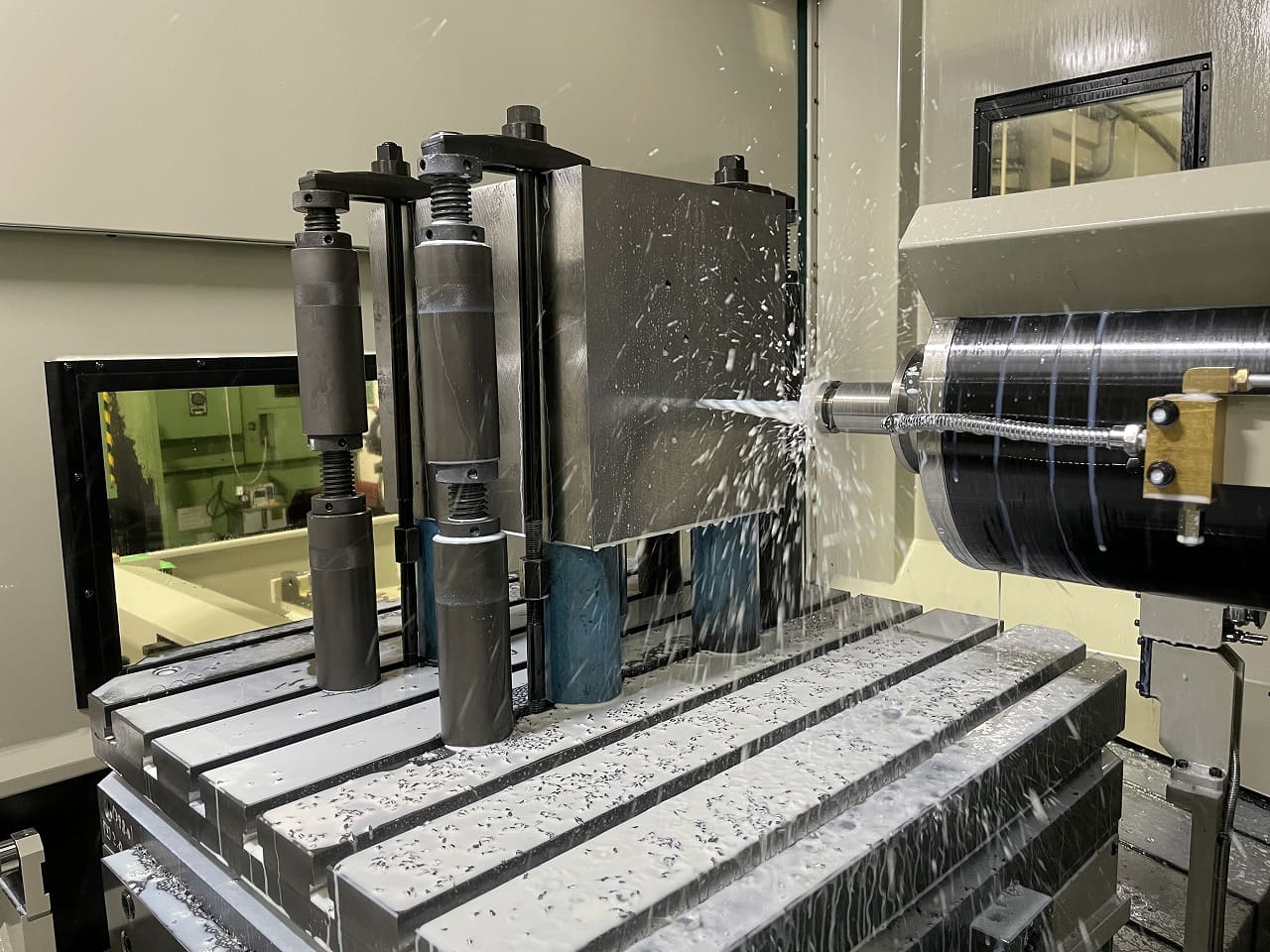
By simplifying leveling tasks, the EASYG helps reduce setup time. Traditional leveling often required cranes to lift workpieces and repeated shim adjustments. EASYG enables direct fine-tuning without overhead lifting equipment, contributing to faster operation and improved shop efficiency.
Additionally, the simple adjustment method reduces skill dependency, supporting smoother workflow for newer operators.
Summary
Machining jigs—and leveling systems such as EASYG—help enhance dimensional accuracy, shorten setup time, and stabilize mass-production performance. When paired with proper training and maintenance systems, manufacturers can increase machine uptime, improve product consistency, and create safer work environments.
Shippo Moulds Co., Ltd offers jig-related support based on experience in tooling for large metal components, providing solutions aligned with customer machining needs. Companies seeking to optimize machining operations can explore jig systems and leveling technologies as a practical step toward greater productivity and manufacturing stability.
02/27/2026
未分類 -
Essential Factors to Consider When Choosing Mould Manufacturing Partners for the Automotive, Motorcycle, and Agricultural Machinery Industries
Five Points to Consider When Evaluating a Mould Manufacturer
1. Advanced Machining Technology and Modern Production Facilities
Access to advanced CNC machines, high-speed milling, and precision EDM equipment often contributes to producing Moulds suitable for tight tolerance requirements.
Evaluating a manufacturer’s machining capabilities, workflow control, and facility investment can help determine whether they can support high-accuracy production needs.2. In-House Design Engineering Capability
Manufacturers offering comprehensive in-house design support may provide greater flexibility when developing Mould structures for specific product needs.
This approach can assist in:- addressing technical questions more quickly
- improving Mould usability
- achieving smoother project coordination
Companies developing complex shapes or unique parts may benefit from this design support.
3. Expertise in Mass-Production-Focused Mould Design
A Mould that is optimized for production environments can contribute to stable cycle time, forming consistency, and smooth workflow integration.
Key factors include:- cooling layout
- material flow design
- ejector positioning
Evaluating these points may help improve long-term productivity.
4. Material Selection and Durability Considerations
Mould durability is influenced by steel grade, heat treatment decisions, and structural reinforcement.
Manufacturers who focus on selecting suitable materials and long-term structural stability can support customers aiming to reduce maintenance frequency and operational interruptions.5. Quality Assurance and Inspection Processes
Dimensional inspection, measurement systems, and testing procedures play an important role in supporting product accuracy after installation.
Manufacturers with strong inspection processes may help enhance forming consistency and support stable long-term performance.Information to Prepare Before Requesting a Mould Quotation
Accurate Shape and Dimensional Data
Clear 3D data, tolerance details, and finishing requirements are helpful for efficient quotation and design development.
Ensuring data accuracy may reduce redesign needs and help support smoother project planning.Clarifying Production Volume and Application
Expected production volume and annual output targets can influence Mould structure, material selection, and strategy planning.
Sharing this information early may assist in developing a Mould that aligns with long-term productivity goals.Maintenance and Lifespan Planning
Planning repair cycles, spare parts availability, and maintenance support can help minimize unexpected downtime and ensure continuity throughout production.
Why Many Automotive, Motorcycle & Agricultural Machinery Manufacturers Choose Shippo Moulds Co., Ltd
Reliable Manufacturing Technology and Industry Experience
Shippo Moulds Co., Ltd provides Moulds engineered for precision, durability, and production stability.
The company has supplied Moulds for demanding industrial sectors, supporting customers in achieving production efficiency and dimensional consistency.Custom Engineering for Complex Requirements
With in-house design and Mould development expertise, SHIPPO supports unique product geometries and customized Moulding needs.
This capability helps manufacturers pursue greater production efficiency and a smoother startup process.Focus on Long-Term Cost Efficiency
By applying suitable Mould materials and strength-focused design, SHIPPO aims to support long-term durability and operational stability.
This helps customers reduce maintenance frequency and manage lifecycle-related production costs.Commitment to Quality Assurance
Dimensional measurement, forming verification, and inspection processes are integrated to help ensure Mould accuracy before delivery.
These systems support manufacturers seeking stable forming results and consistent production performance.Summary
Selecting the right Mould manufacturing partner can strongly influence production stability, cost efficiency, and product accuracy.
By focusing on engineering capabilities, design flexibility, production optimization, material planning, and quality control systems, companies may achieve more consistent mass-production outcomes.Shippo Moulds Co., Ltd continues to support customers with Mould solutions designed for precision, usability, and long-term value across global manufacturing applications.
02/27/2026
Mould
FAQ
-
Q1. What is die casting?
Die casting is a manufacturing process where melted metal—often aluminum—is injected into a mould to create a specific shape.
It’s commonly used to make things like automotive engine parts and metal smartphone covers. -
Q2. What is a mould?
In simple terms, it’s a “metal mould” used to form products.
Just like using a cookie cutter, molten metal is poured or injected into the mould so the same shape can be produced again and again. -
Q3. What are die-casting moulds made of?
They are mainly made from extremely hard steel known as “tool steel.”
Since the mould must endure very hot aluminum thousands of times, it needs to be both strong and highly heat-resistant. -
Q4. How long does a mould last?
It depends on how it’s used, but moulds for aluminum die casting typically last between 50,000 and 100,000 cycles.
With proper maintenance and careful operation, they can last even longer. -
Q5. How expensive is a mould?
The cost varies depending on the product’s size and complexity.
Even small moulds can cost several million yen, while large automotive moulds can cost tens of millions.
They truly are the “core of manufacturing.” -
Q6. How long does it take to make a mould?
It usually takes 2 to 6 months from design to completion.
Achieving the required precision involves multiple rounds of machining, assembly, and test runs (called “tryouts”). -
Q7. What causes moulds to break?
The main causes are heat and pressure.
Repeated exposure to high-temperature aluminum can lead to cracks, wear, or surface damage. -
Q8. Can moulds be repaired?
Yes.
Cracks and scratches can be repaired through welding, grinding, and polishing.
Fixing issues early helps significantly extend a mould’s lifespan. -
Q9. What’s inside a die-casting mould?
Inside the mould are cooling channels that cool the molten metal and ejector pins that push the solidified part out.
It has a very precise, complex structure—almost like the “heart” of a machine. -
Q10. Why is die casting used so often?
Because it allows manufacturers to produce high-quality parts quickly and in large quantities.
It creates smooth surfaces and accurate dimensions, which reduces the need for extra processing.
Die-cast parts are found everywhere—from cars and appliances to cameras.